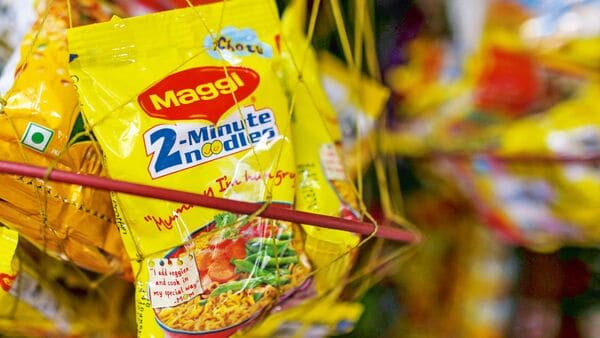
The Indian stock market delivered another reminder of how sensitive consumer staples can be to regulatory headlines when Nestlé India shares slipped nearly 3% on June 12, 2026, following news of a Food Safety and Standards Authority of India (FSSAI) notice linked to a social media complaint about possible insect or larvae in a Maggi packet.
This incident, while still under investigation, touches on deeper realities in India’s massive packaged food industry. Maggi remains a household staple for millions, especially in urban and semi-urban households where quick, affordable meals matter. Any perceived quality lapse can quickly amplify through social media, affecting both consumer trust and investor sentiment.
The notice stemmed from FSSAI’s proactive response to online complaints. The regulator sought detailed information from Nestlé India, including vendor sourcing records, batch-specific quality checks, corrective actions to isolate any affected products, and preventive measures. Similar notices went to other brands like KFC and Flipkart-linked Open Secret over separate hygiene and contamination claims, showing a broader push to address social media-flagged issues swiftly.
Nestlé India responded firmly and transparently. The company stated the complaint originated from an unverified social media account that failed to provide the sample despite repeated outreach. Independent testing of reference samples from the same batch at an FSSAI-notified lab reportedly showed no signs of infestation. The firm submitted comprehensive quality records, test reports, and a detailed representation to the authorities, emphasizing its stringent manufacturing standards.
This episode echoes Maggi’s turbulent history in India, including the 2015 lead controversy that led to a temporary ban and massive recall. That event forced the brand to rebuild consumer confidence through transparency and reformulation. Today’s situation appears far less severe—more a case of one unverified claim triggering regulatory due diligence—but it still rattled investors. Shares closed down about 3.29% at ₹1,375.70 on the NSE, reflecting short-term caution in a sector where brand reputation drives volumes.
From a broader perspective, this highlights evolving dynamics in India’s food regulation and consumer behavior. Social media now acts as an early warning system, prompting faster regulatory action. For companies, it underscores the need for impeccable supply chain traceability and rapid response protocols. Nestlé’s proactive lab testing and documentation demonstrate a mature approach that could help resolve the matter without major disruption.
For investors, the dip offers a lens into Nestlé India’s resilience. The company has a strong track record in a highly competitive noodles category, with Maggi holding dominant market share. Fundamentals remain solid: consistent innovation, wide distribution, and premium positioning in a growing snacking segment. Year-to-date gains were still positive even after this blip, suggesting the market views it as noise rather than a fundamental shift.
Longer term, such incidents reinforce why quality and compliance are non-negotiable. India’s food processing sector is expanding rapidly amid rising incomes and urbanization, but it also faces challenges around storage, logistics, and pest control in tropical climates. Companies that invest in advanced manufacturing, supplier audits, and digital traceability stand to gain consumer loyalty and regulatory goodwill.
Consumers, meanwhile, are reminded of the value in checking packaging integrity and best-before dates. While isolated complaints do not define a brand, they encourage everyone in the ecosystem—regulators, manufacturers, and buyers—to maintain high vigilance. Nestlé’s confidence in its processes, backed by third-party verification, positions it well to move past this with minimal lasting impact.
This event ultimately tests but also validates the strength of established FMCG players in India. In a market where trust is currency, transparent handling of concerns often strengthens rather than weakens a brand’s standing over time.
"The decisions we make today will shape the world for generations to come."