India's mangoes have long been celebrated as a global delicacy—juicy, aromatic treasures that symbolize the country's rich agricultural heritage. From the legendary Alphonso to the sweet Kesar and fragrant Langra, these fruits have carved a niche in international markets. Yet, in a surprising twist this season, both Nepal and Japan have pushed back against imports, shining a harsh light on persistent issues in quality control, pest management, and regulatory compliance.
The developments unfolded rapidly. In late May 2026, Japan suspended fresh mango imports from India for the current season—the first such move in nearly two decades. Japanese quarantine officials, during a March inspection of a vapour heat treatment (VHT) facility in Rehmanpur, Uttar Pradesh, identified deficiencies in fumigation and disinfection processes. These lapses raised fears of inadequate control over quarantine pests like fruit flies, which could threaten Japan's own agricultural ecosystem. As a result, the Yokohama Plant Protection Association halted acceptance of shipments certified after March 25, 2026, pending improvements.
This wasn't entirely new territory. Japan had imposed a similar ban back in 1986 over fruit fly concerns, only lifting it in 2006 after India enhanced its treatment protocols. The resumption allowed premium varieties to flow steadily for years. The current suspension, though tied to procedural gaps rather than outright fruit quality, disrupts a small but symbolically important market and underscores how even advanced post-harvest treatments like VHT—designed to use precise heat and humidity to eliminate larvae without damaging the fruit—can falter if facilities don't maintain rigorous standards.
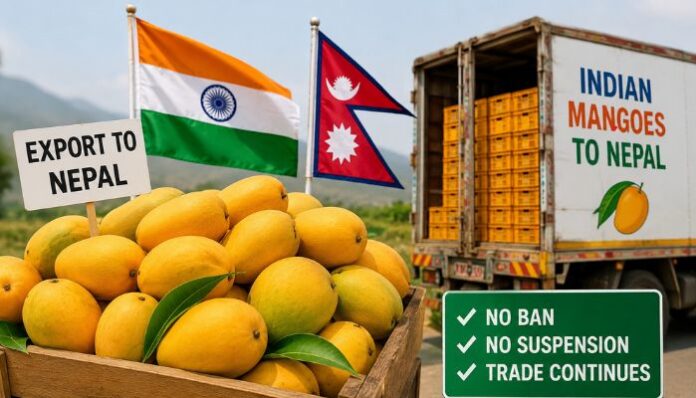
Nepal's response followed closely, with reports in early June 2026 highlighting restrictions on Indian mango imports. Border quarantine inspectors in areas like Madhesh province detected elevated pesticide residues in some consignments, prompting stricter checks and, in some accounts, effective halts. Nepali authorities cited both food safety risks to consumers and insufficient quarantine infrastructure at key entry points. While India's government clarified there is no outright nationwide ban—pointing instead to new requirements like mandatory Hot Water Treatment (HWT) and ongoing shipments— the tightened rules have disrupted trade flows and boosted local Nepali mango varieties in domestic markets.
Why are these issues surfacing now? Several factors converge. India's mango industry relies heavily on chemical inputs to combat pests and boost yields in a competitive, climate-challenged environment. While most exporters adhere to standards, inconsistencies in smaller operations or rushed harvesting for quick market entry can lead to residue levels exceeding importers' strict Maximum Residue Limits (MRLs). Post-harvest handling, including inadequate treatment or certification delays, compounds the problem. For landlocked Nepal, sharing a porous border with India, these concerns hit closer to home, directly affecting public health perceptions and local farmer livelihoods.
Japan's stringent biosecurity standards reflect its vulnerability to invasive species in a densely populated, import-dependent nation. A single pest introduction could devastate local orchards. Nepal, meanwhile, appears motivated by both safety and economic self-interest—using the moment to champion domestic production as "healthier" and more accessible.
The ripple effects are significant for Indian exporters, particularly in Uttar Pradesh, Maharashtra, and Gujarat, where mango farming supports millions. Premium varieties destined for these markets now face delays, added compliance costs, or lost opportunities. In a broader sense, this episode highlights systemic vulnerabilities: fragmented treatment facilities, variable enforcement of Good Agricultural Practices (GAP), and the need for better coordination between central and state authorities. Exporters report that HWT or VHT adds time and expense—sometimes 40 hours per large shipment—making it challenging for smaller players.
Yet, there's opportunity amid the setback. This serves as a wake-up call for investment in modern, certified processing units, stricter residue monitoring, and farmer education on sustainable pest management. Strengthening bilateral dialogues under frameworks like the WTO's Sanitary and Phytosanitary Agreement could help resolve disputes faster. For consumers, it reinforces the importance of traceability and quality assurance in every bite.
India's mango story remains one of immense potential. With its diverse climates producing some of the world's finest fruits, addressing these compliance gaps could not only reclaim lost markets but also elevate the entire sector's reputation. The king of fruits deserves a throne built on unshakeable standards.
"The decisions we make today will shape the world for generations to come."