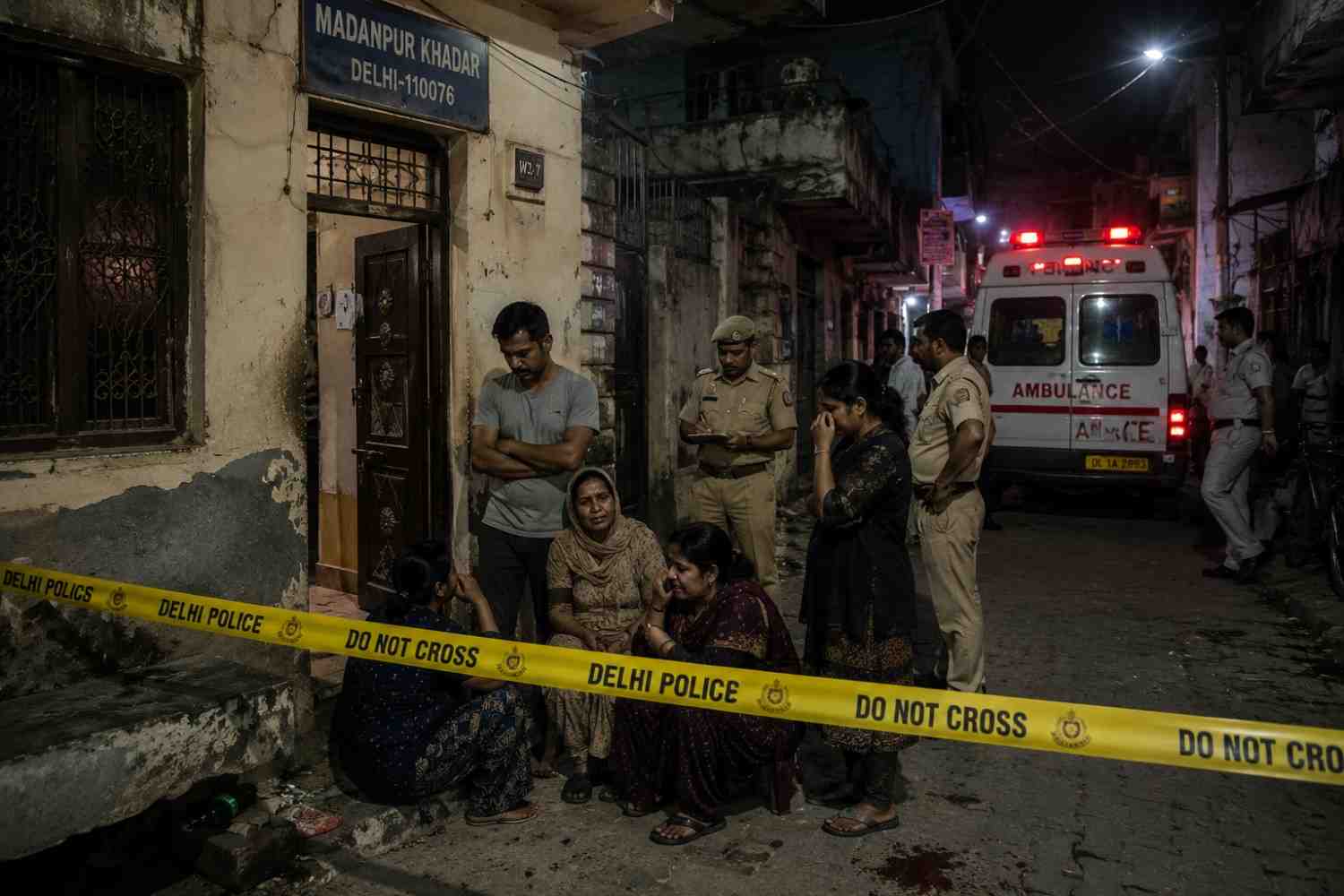
In the early hours of June 5, 2026, an 18- or 19-year-old woman named Nisha Parveen was found dead in her home in Delhi’s Madanpur Khadar area, a densely populated neighborhood in South East Delhi. What began as a story of young love quickly unraveled into allegations of prolonged abuse and a horrifying end, leaving her family devastated and the local community demanding answers.
Nisha had left her family home nearly two years earlier, around July 2024 when she was about 16 or 17, eloping with Ankit and taking some family valuables. Her brother Naseem described how efforts to locate her initially failed, and communication became restricted after the marriage. The family, citing social pressures and concerns over reputation, eventually distanced themselves but continued to worry about her well-being.
According to relatives, the marriage that Nisha hoped would bring stability instead exposed her to ongoing physical and emotional torment. On the night of the incident, events escalated dramatically. Family accounts claim Ankit took Nisha to a lane around 1:21 a.m., returned alone shortly after, and later boasted to friends while intoxicated that he had killed his wife. He reportedly asked for a sack to dispose of the body, showing more concern for avoiding arrest than remorse.
When a local resident named Rohan overheard Ankit’s statements—claiming suicide by hanging but mentioning a broken hand—he grew suspicious and alerted Nisha’s family. Upon arriving, relatives found the room locked from outside. Inside, they discovered Nisha’s body with severe injuries: broken wrists, bruises and kick marks on the stomach (she was three months pregnant), scratches, and signs of trauma to the head and face. Some reports from family and community sources also allege possible gang involvement and sexual assault prior to the death.
Nisha’s relatives described the assault in stark terms, labeling it “animal-like.” They handed Ankit over to police, but protested delays in registering a formal FIR, reportedly placing the body outside Kalindi Kunj police station to press for action. Police eventually arrested Ankit, the primary accused, while family members insist four or five accomplices remain at large. The body was sent for post-mortem at Safdarjung Hospital.
This case brings to light broader challenges around interfaith or inter-community marriages in India, where young couples sometimes face family opposition, isolation, and heightened risks of domestic violence. Nisha’s story underscores how economic dependence, limited support networks, and societal judgment can trap vulnerable individuals—particularly young women—in abusive situations. Reports of delayed police response and incomplete arrests raise questions about the effectiveness of immediate intervention in such domestic disputes, especially in urban lower-middle-class areas like Madanpur Khadar.
As the investigation proceeds, Nisha’s family continues to seek justice, hoping for a thorough probe that includes all alleged perpetrators and addresses the full extent of injuries documented. The incident has drawn attention from various community voices and media outlets, emphasizing the need for stronger protections against gender-based violence and more responsive law enforcement mechanisms.
In the days following, the tragedy has prompted local protests and calls for accountability, reminding us that behind every such headline lies a young life cut short and families left grappling with irreversible loss.
"The decisions we make today will shape the world for generations to come."