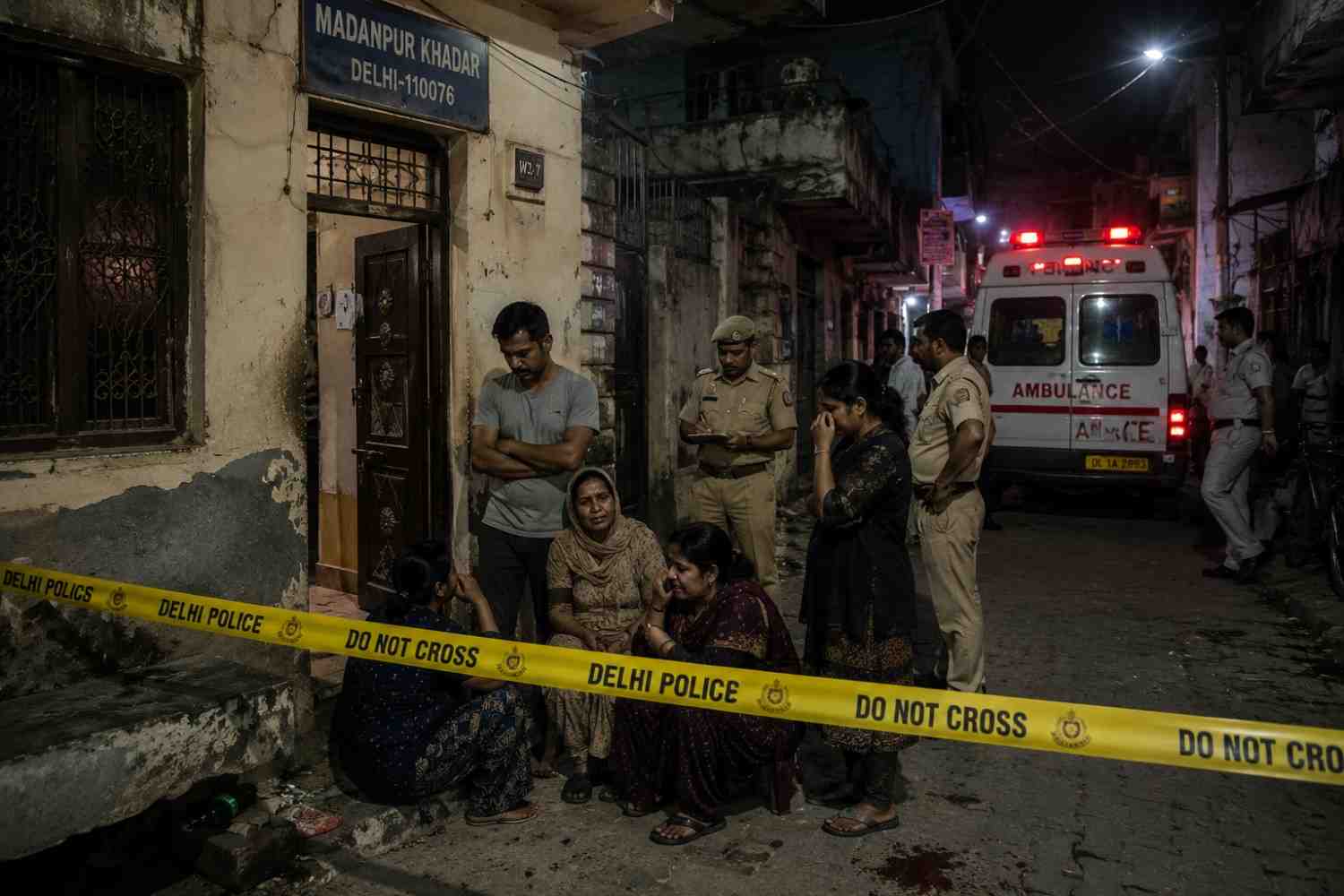
In the narrow lanes of Delhi’s Madanpur Khadar, a young woman’s life ended in what her family describes as unimaginable brutality. Nisha Parveen, reportedly 18 or 19 years old and three months pregnant, was found dead in the early hours of June 5, 2026. Her relatives accuse her husband Ankit and several others of sustained abuse leading to murder, with claims of severe injuries including broken bones, bruises, and possible sexual assault. Yet, as the family fights for justice and more arrests, a striking silence echoes from India’s biggest news platforms.
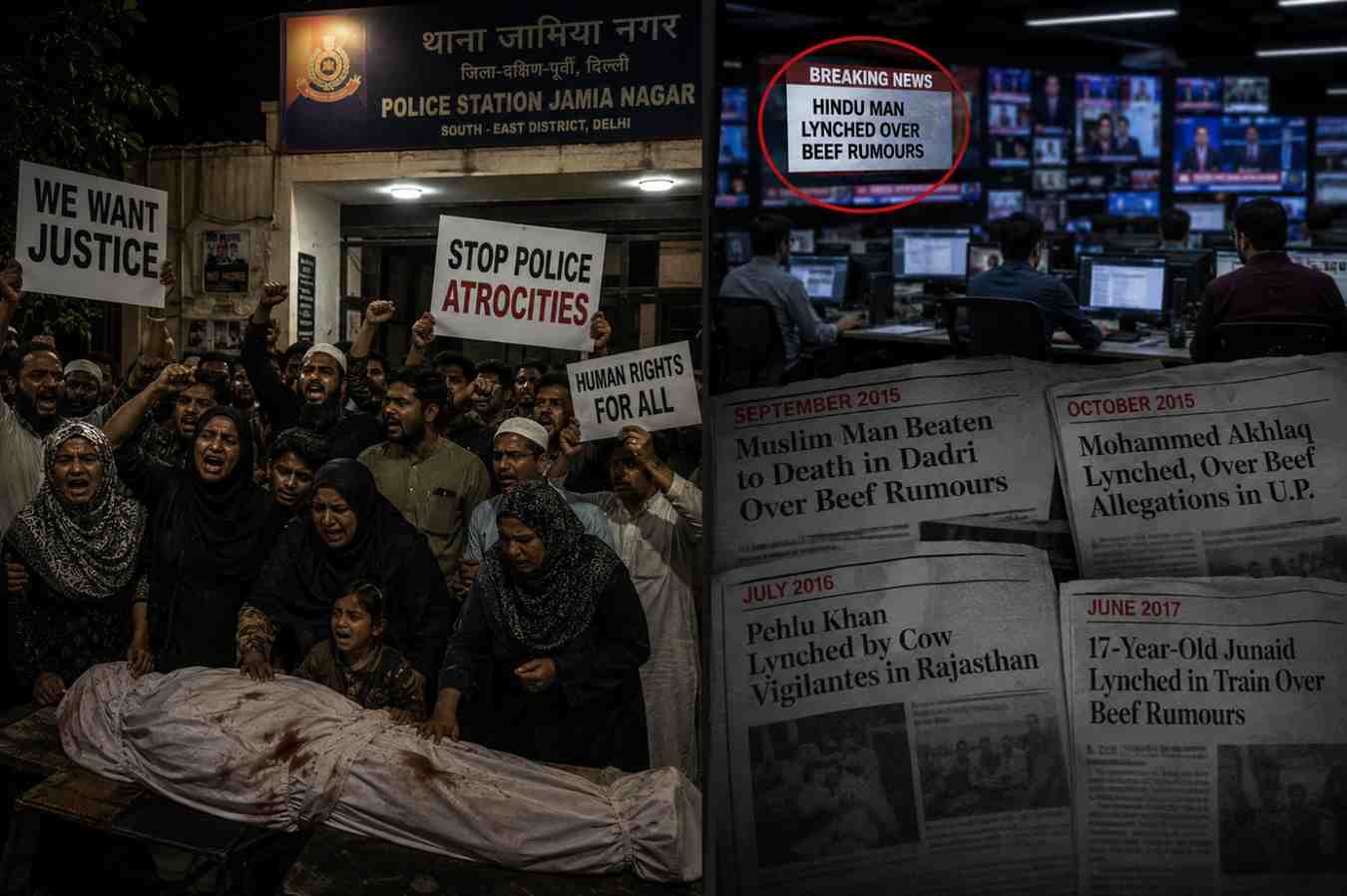
Nisha had eloped with Ankit around two years earlier, taking some family valuables amid what appeared to be a love story defying community lines—she from a Muslim background, he Hindu. Communication with her family dwindled, and reports suggest she endured repeated physical and emotional torment after the marriage. On the fateful night, Ankit allegedly boasted while drunk about her “suicide,” prompting a friend to alert relatives. They discovered her body locked inside, bearing signs of extreme violence. Police arrested Ankit after family protests, including placing the body outside Kalindi Kunj station, but other alleged accomplices remain free according to relatives.
This tragedy, like many cases of domestic abuse, deserves thorough investigation focused on evidence, victim safety, and accountability—regardless of faith. What stands out, however, is the muted national response. Coverage appears mostly confined to community-oriented outlets such as Muslim Mirror, Clarion India, Siasat Daily, and FoeJ Media. Searches across major English and Hindi mainstream publications yield little to no prominent reporting or follow-ups in the days since. No sustained debates on prime-time shows, no viral national headlines dissecting the failure of protection for a vulnerable young woman.
This pattern invites scrutiny into how Indian media often frames stories involving Hindu-Muslim relationships. When the victim is Hindu and the accused Muslim, narratives frequently amplify terms like “love jihad,” sparking widespread outrage, protests, and political commentary. High-profile cases receive exhaustive airtime, panel discussions, and social media storms. Conversely, when dynamics reverse—as alleged here—the story risks fading into niche reporting, framed primarily as personal or domestic tragedy without broader communal examination. Family members themselves have voiced this disparity, suggesting quicker action might have followed if identities were swapped.
Such selectivity doesn’t serve justice or society. Every life lost to violence merits equal condemnation and probing. Media’s role as a watchdog demands consistent scrutiny of police delays, incomplete arrests, and systemic gaps in addressing gender-based violence—issues that cut across communities. In urban pockets like Madanpur Khadar, where young couples navigate family pressures, economic strains, and social isolation, the risks are real irrespective of faith. Ignoring or downplaying one side erodes public trust and perpetuates a cycle where victims from any background feel unseen.
The real face of this coverage—or lack thereof—reflects deeper challenges in Indian journalism: pressures of TRP-driven narratives, political alignments, and audience echo chambers that reward sensationalism aligned with prevailing sentiments. Cases challenging dominant storylines often struggle for visibility, leaving families like Nisha’s to protest alone while demanding FIR transparency, post-mortem details, and swift arrests. Broader data on gender violence in India shows it as a pervasive crisis, not confined to any single community, yet media amplification frequently depends on who fits the “perpetrator-victim” template of the moment.
As investigations continue, Nisha’s case underscores the urgent need for media to prioritize facts, empathy, and consistency over selective silence. True accountability begins when every such tragedy receives the spotlight it demands—not filtered through religious lenses. Families grieving across divides deserve better: rigorous reporting that pushes for justice without bias, helping prevent future losses rather than fueling division.
"The decisions we make today will shape the world for generations to come."